The late African ecumenist, Samuel Kobia, in his work The Courage to Hope(2003) argues that the courage to hope makes it possible for Africans to transcend the tribalism that has enchained the mentality of many. The courage to hope challenges Africans to venture beyond their tribal boundaries towards the wide horizons and open spaces where the rest of the human family may be encountered and appreciated. For Kobia, the concepts of security, tribal identity and national boundaries acquire new meaning through human interaction and unrestricted exchange of ideas. The more people interact with others outside tribal confines, the more they will learn to appreciate the commonality of their aspirations and social interests. “Otherness” ceases to represent the unknown, to be feared and resisted, and becomes instead a gateway to new opportunity and unimagined beauty.
It is generally believed that ethnic conflicts in Africa are fueled by fierce competition for meagre resources. The smaller the national cake, the more bitter the rivalry between the tribes who wish to lay some claim to a portion of that cake. However, gaining political power without enlarging the national cake does not solve the problem of hunger and poverty. What then are we supposed to do?
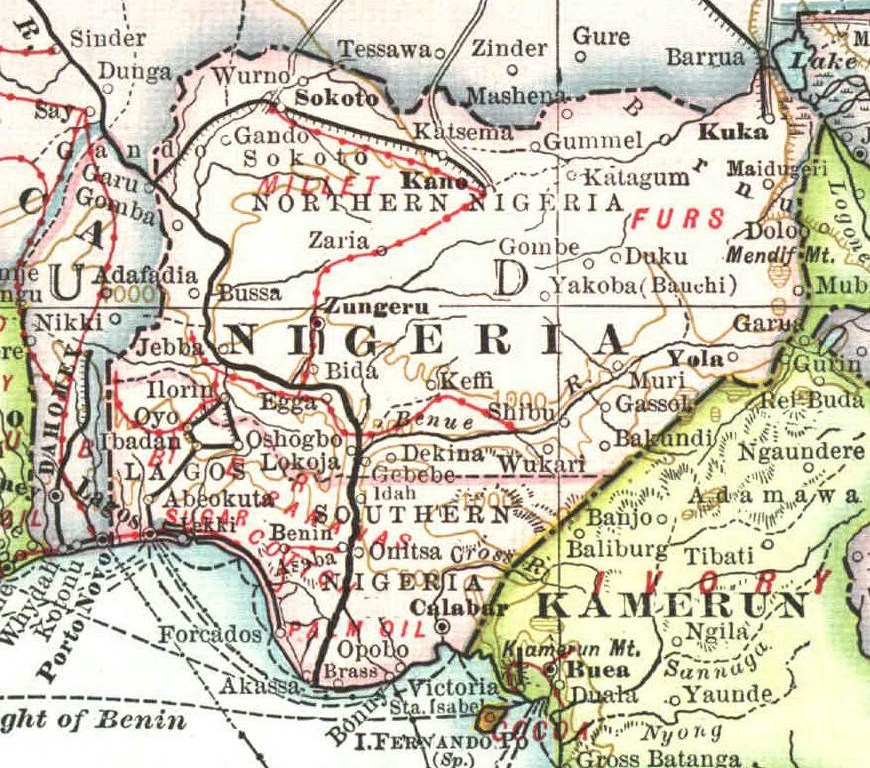
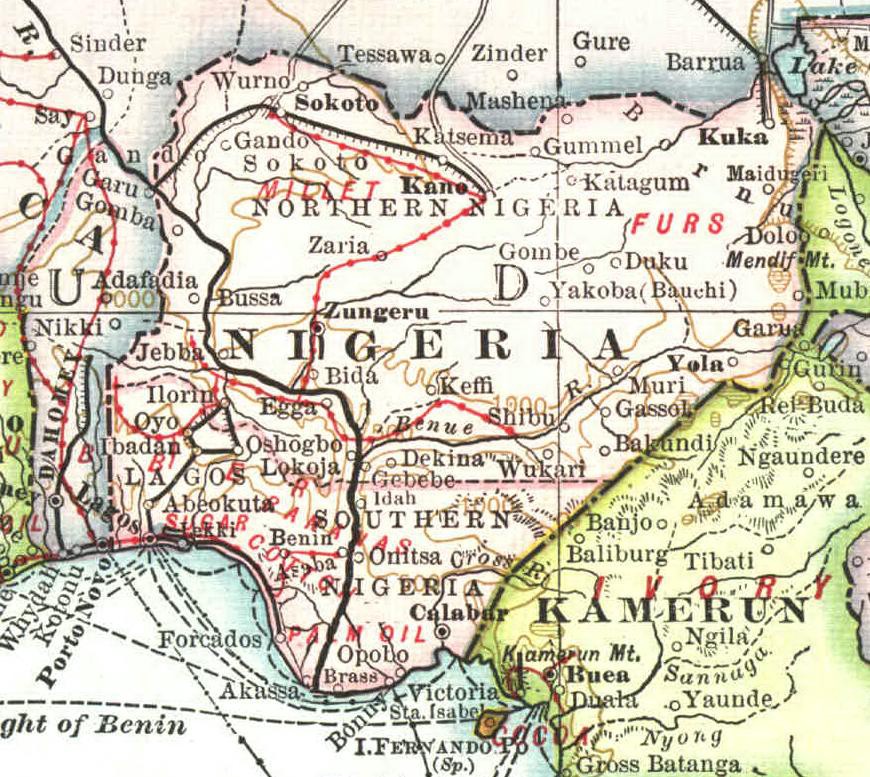
We need to come to the table of dialogue. We need to come to terms with our differences and negotiate the conditions of our unity. Some have proposed a ‘new tribe’ but this new tribe cannot survive if it only aims at muscling differences instead of celebrating diversity in a very constructive way. Aren’t the tribal or regional conflicts in places like Nigeria and Cameroun not enough for us to find a better way of staying today just as the Vlaams and Wallons in Belgium?

 Alongside One Another