


“Only we have the Spirit.”
I was taught this in my church growing up; and then I found that every religion says the same thing. Isn’t that interesting?
There’s a phrase for this; it’s called group narcissism. It has nothing to do with love for God; it isn’t a search for truth or love. It’s a grasping for control, and every group at its less mature stages of development will try to put God into the pocket of its own members-only jackets!
Why do I say something so unequivocal? Because I dare you to find a world religion that doesn’t do this. But we don’t need to look any further than our own Old Testament. Here are some prevalent religious mind-sets from those times that were carried over into Jesus’ first-century world – and how Jesus responds to them.
“God ignores the Samaritans.”
The Samaritans, living in proximity to the Jewish people, were considered a mixed race with “mixed” religion, and were therefore not to be associated with, as John’s gospel explains matter-of-factly: “Jews, of course, do not associate with Samaritans” (John 4:9). But then Jesus tells a parable praising the extraordinary kindness of a Samaritan (see Luke 10:25-37); another time, when he travels through Samaria, he surprises a Samaritan woman – as well as his own disciples – by talking to her directly, engaging her in a conversation about deep spiritual matters. (See John 4:4-42.) Jesus also displays God’s favor toward Samaritans in other ways. (See, for example, Luke 9:52-56; 17:11-19.)
“God does not know that the Syrophoenicians even exist.”
The Syrophoenicians, living north of Israel, were considered outsiders and pagans. But a Syrophoenician woman, desperate for her daughter to be healed, appeals to Jesus, who praises her for her great faith and heals her daughter. (See Mark 7:24-30; Matthew 15:22-28.)
“We are the chosen people – to the exclusion of all other peoples.”
While affirming God’s unique relationship with Israel, Jesus demonstrates God’s grace toward and inclusion of people of all backgrounds – something his disciples and the crowds didn’t expect. When Jesus’ disciples finally came to understand his purpose, they did the same. They saw that all peoples – whether Jews, Jewish proselytes, or other “Gentiles” or “foreigners” – could enter the circle dance of the Trinity and experience the Spirit poured out upon them. (See, for example, Acts 2:1-11; 10:1-49.)
Jesus messes everything up! What does he do? He consistently makes the outsider the heroes of his parables and the recipients of God’s multi-faceted grace. To not recognize and learn from this is culpable ignorance at this point.
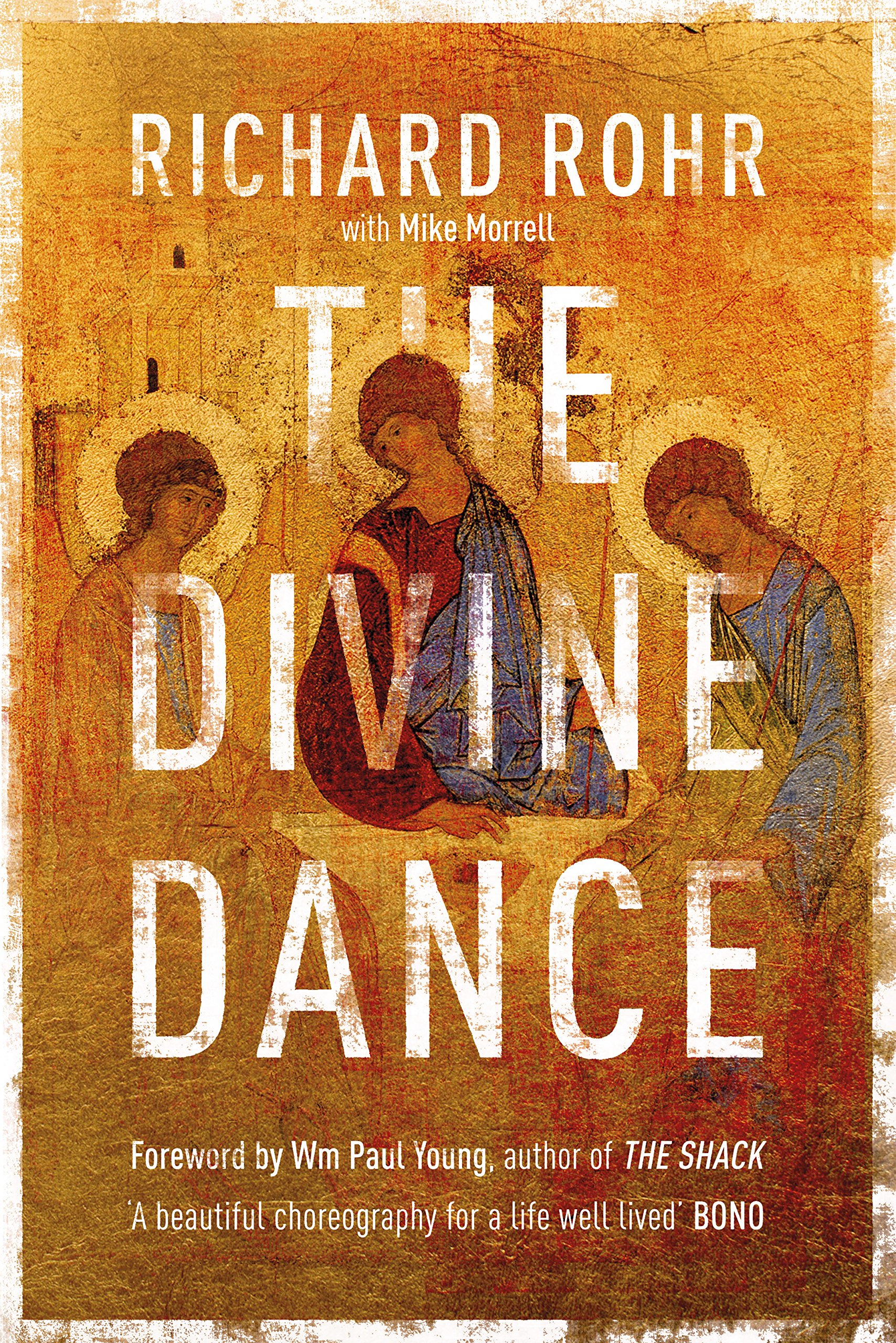
Culled from Richard Rohr, The Divine Dance (London: SPCK, 2016), 88-89.

 Alongside One Another